More than 117 million people across the world have been forcibly displaced from their homes, most of them due to violent conflict. Among them are almost 42 million refugees who have crossed international borders to seek safety. Nearly 68 million are displaced within their own country by violence or disasters, and face many of the same challenges as refugees. One in 70 people in the world has been forcibly displaced, according to the UN Refugee Agency (UNHCR). Recent cuts to aid budgets are constraining resources available to groups serving refugees and displaced people.
Ambient header video
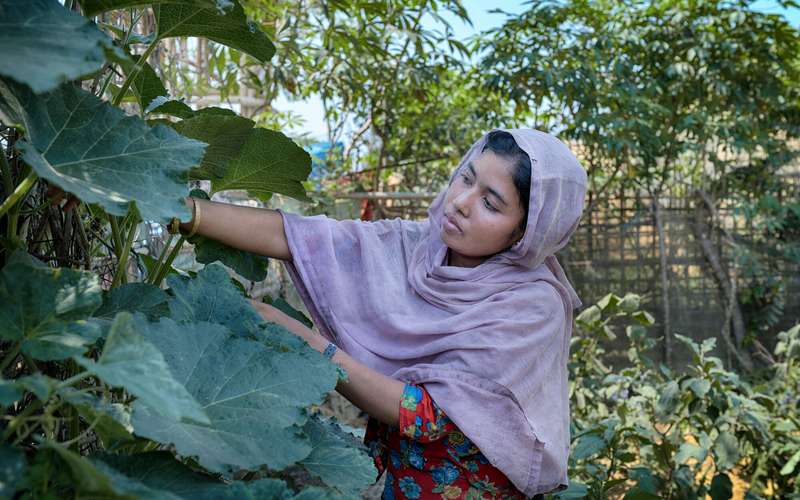
Stand with refugees
Millions of families in Ukraine, Myanmar, the Horn of Africa, Syria and beyond are fleeing violence and in search of refuge. Help Oxfam support people caught up in these crises, ensuring they have access to food, clean water, and hygiene materials, and advocating for their rights.
Donate nowFAQ: The global refugee crisis
Oxfam's response to support refugees and other displaced people
Oxfam works with more than 300 local humanitarian partners to help refugees and other displaced people access clean water, food, shelter, livelihoods, and support for survivors of violence, especially women and girls. We also work to reduce tensions by ensuring host communities benefit from essential services. At the same time, we advocate for governments to protect the rights of displaced people, support peace, welcome refugees, and invest in aid that reduces conflict, poverty, and climate risk.

Assisting refugees
In South Sudan, Oxfam is providing clean water, sanitation, and other services to reduce the risk of violence to women and girls for refugees fleeing the war in Sudan. By the end of 2025, nearly 1.3 million refugees and returnees had entered South Sudan with an additional 380,000 arrivals projected by the end of 2026. Cuts in aid funds from donor countries have reduced food rations and other services available to assist refugees.
In Bangladesh Oxfam has provided water, sanitation services, public health campaigns, shelter, and other aid to Rohingya refugees crossing the border from Myanmar seeking safety, starting in 2017. In 2019, Oxfam and the UN Refugee Agency UNHCR opened a new sewage treatment plant, the largest ever built for refugees at that time, capable of processing sewage from 150,000 people.
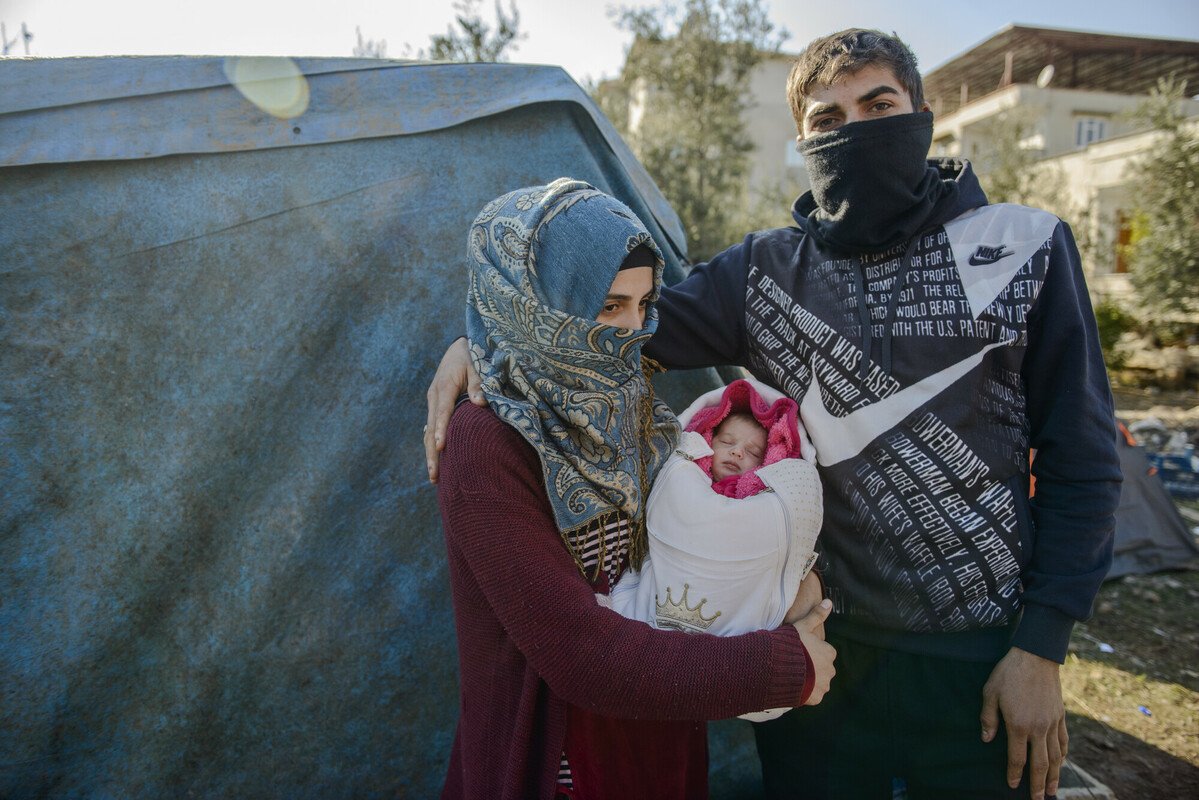
Helping displaced people survive conflict and disasters
Internally displaced people face many of the same challenges as refugees – but they remain within the borders of their own country. In the Democratic Republic of Congo, decades of conflict have displaced millions of people across the country and especially in the eastern regions where Oxfam has been providing clean water and sanitation. Where possible, we are providing agricultural support for families returning to their homes and struggling to restart their farms.
In early 2026, an outbreak of Ebola disease is precipitating an additional crisis in the DRC. Oxfam is helping local health facilities set up handwashing stations, building latrines, repairing wells, and helping people understand how to prevent infection and where to get treatment.
Oxfam is also collaborating closely with organizations in Lebanon, assisting displaced people, providing psychological support, water and repairs to sewage systems in communities hosting people in communal shelters.
In the Occupied Palestinian Territory, heightened conflict since October 2024 has displaced most of the population of Gaza, where Oxfam is collaborating with 20 partner organizations that are providing clean water, latrines, assistance for survivors of violence, repairing sewage systems, and access to food and hygiene items including soap.
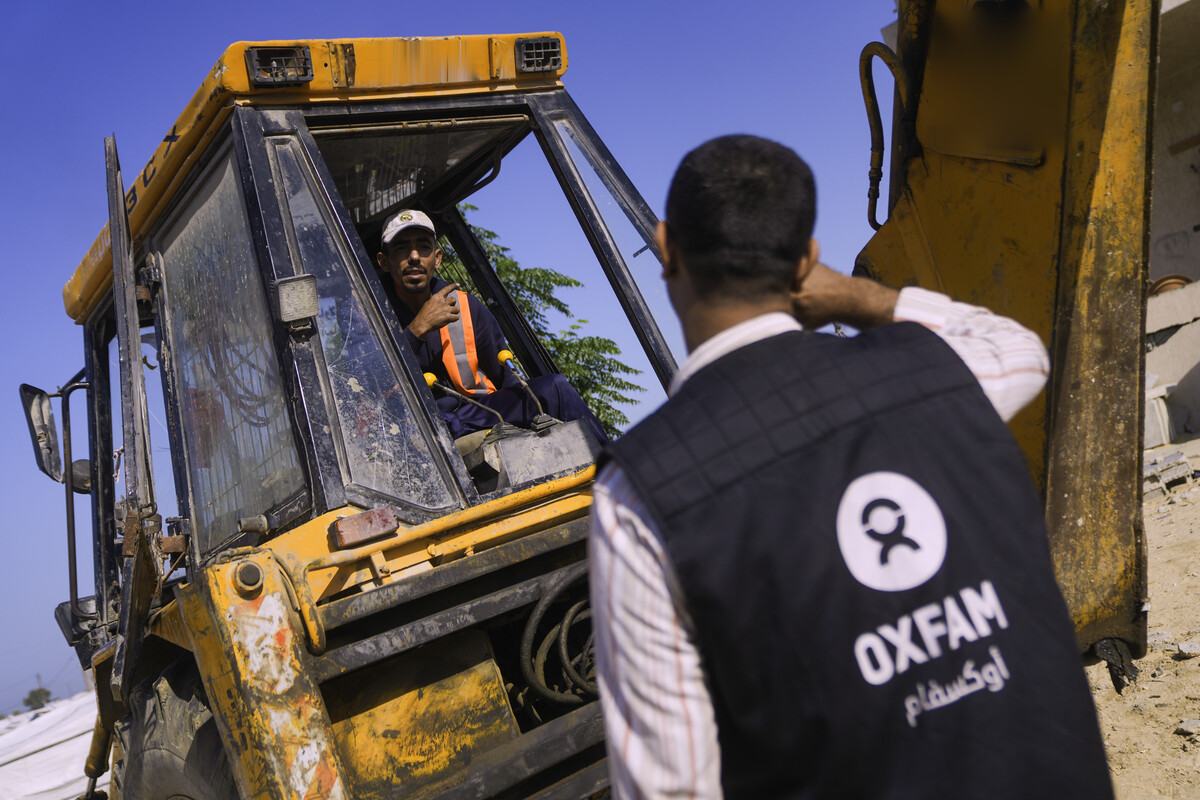
Advocating for the rights of displaced people
Oxfam advocates for policies that protect people living in the world’s most vulnerable circumstances. Recently, we are urging the U.S. government to maintain Temporary Protected Status of people seeking safety in the United States and have supported legal challenges in courts to prevent them from being sent back to countries where they will be at risk of violence or persecution, including Honduras, South Sudan, Yemen, Nepal, and Ethiopia.
Stories & updates
Search model: Articles | Story, Articles | Immersive story, Articles | News update, Articles | Legacy story, Articles | Legacy news update, Blog | blog post, Articles | Blog post, Articles | Legacy immersive, Articles | Legacy policy update, Blog | legacy blog post
Search root:
Author: None
Topics:
Policy topics:
Locations:
Tags: tag/Syria crisis, tag/Refugees, tag/Refugees and migration
Use data-feed: /datafeed/?m=11&m=7&m=10&m=79&m=78&m=118&m=6&m=77&m=87&m=119&perpage=3&tag=Syria+crisis&tag=Refugees&tag=Refugees+and+migration
 Story
Story
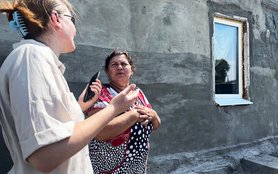
What is happening in Lebanon?
Escalating conflict in the Middle East is again creating a humanitarian crisis in Lebanon.
 Story
Story
The long hours of winter: Four years of conflict in Ukraine
Ukrainian organizations are assisting people with help from Oxfam to endure the war’s harshest blackouts.
 Story
Story
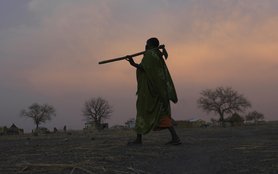
Conflict and aid cuts drive crisis in South Sudan
Cuts in aid programs limit resources to help people affected by conflict as well as those fleeing war in Sudan.
How many displaced people are there in the world?
117.8 million
Forcibly displaced people
41.6 million
Refugees
9 million
Asylum seekers